
2026 RPI Research Fellows
The 2026 RPI Research Fellows will study aspects of rural nonprofits and philanthropy through diverse lenses. Whether exploring nonprofit capacity, the role of nonprofits in community collaboration and civic change, or the way perceptions of rural nonprofits affect philanthropic decision-making, each fellow will produce a robust research project that helps move the needle on the understanding of rural philanthropy and nonprofits as well as provide real-world case studies and solutions that can be utilized by those working in rural nonprofits today.
Learn more about upcoming fellowship opportunities and current calls for proposals here.
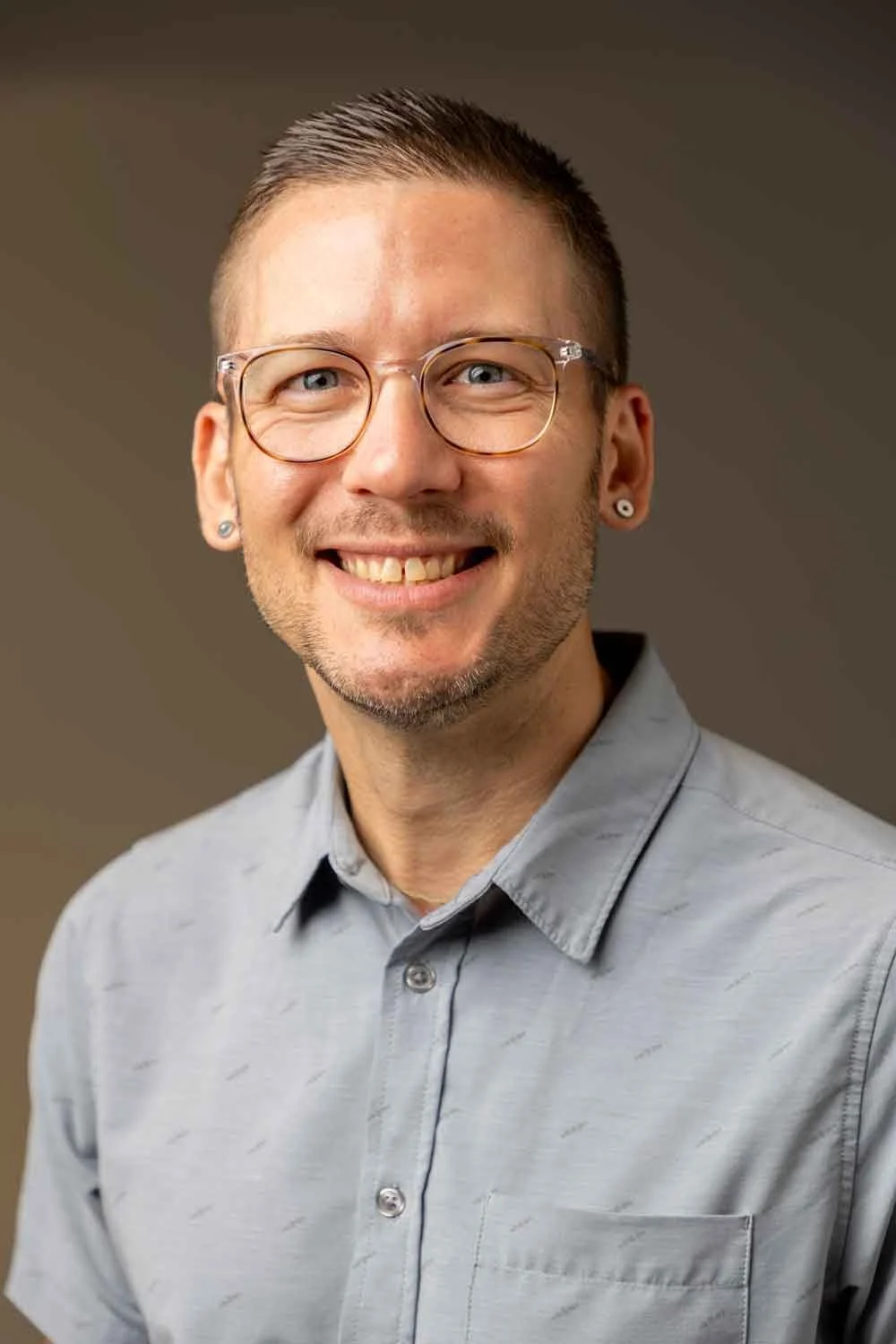
Trenton Ellis, Ph.D., Black Hills State University
Dr. Trenton Ellis is a sociologist and educator at Black Hills State University (BHSU). As a faculty member, he specializes in experiential learning, higher education access, and community‑engaged research—areas that closely align with the Rural Philanthropy Institute’s mission to advance knowledge and practice in rural philanthropy. A lifelong resident of rural America, Dr. Ellis grounds his scholarship in deep personal and professional commitments to rural communities and the diverse people who sustain them. Through research and consultation, he has supported Black Hills nonprofits such as Artemis House - Victims of Violence Intervention Program (Spearfish), the Black Hills Area Community Foundation, and the Canton Area Heritage Center (Illinois). Dr. Ellis values an approach that is empirically grounded, community‑responsive, and actionable.
Research Focus:
“Pedal-Powered Philanthropy: Data-Driven Capacity Building for Rural Trails Nonprofits”
As a 2026 RPI Research Fellow, Dr. Ellis will lead a capacity‑building effort and case study of the Spearfish Trails Coalition, a trails nonprofit dedicated to building a healthier community through sustainable trail development in rural Spearfish, South Dakota. The trail systems within and around Spearfish stretch across town and sprawl into the surrounding hills and prairie. These trails are connecting points for residents and visitors, transportation corridors, pathways to solitude, refuge for nature, and much more. Bridging his passion for cycling, and community‑focused social research, Dr. Ellis’s project will support a stakeholder survey for Spearfish Trails Coalition, and contribute to our knowledge of capacity-building in rural nonprofits.
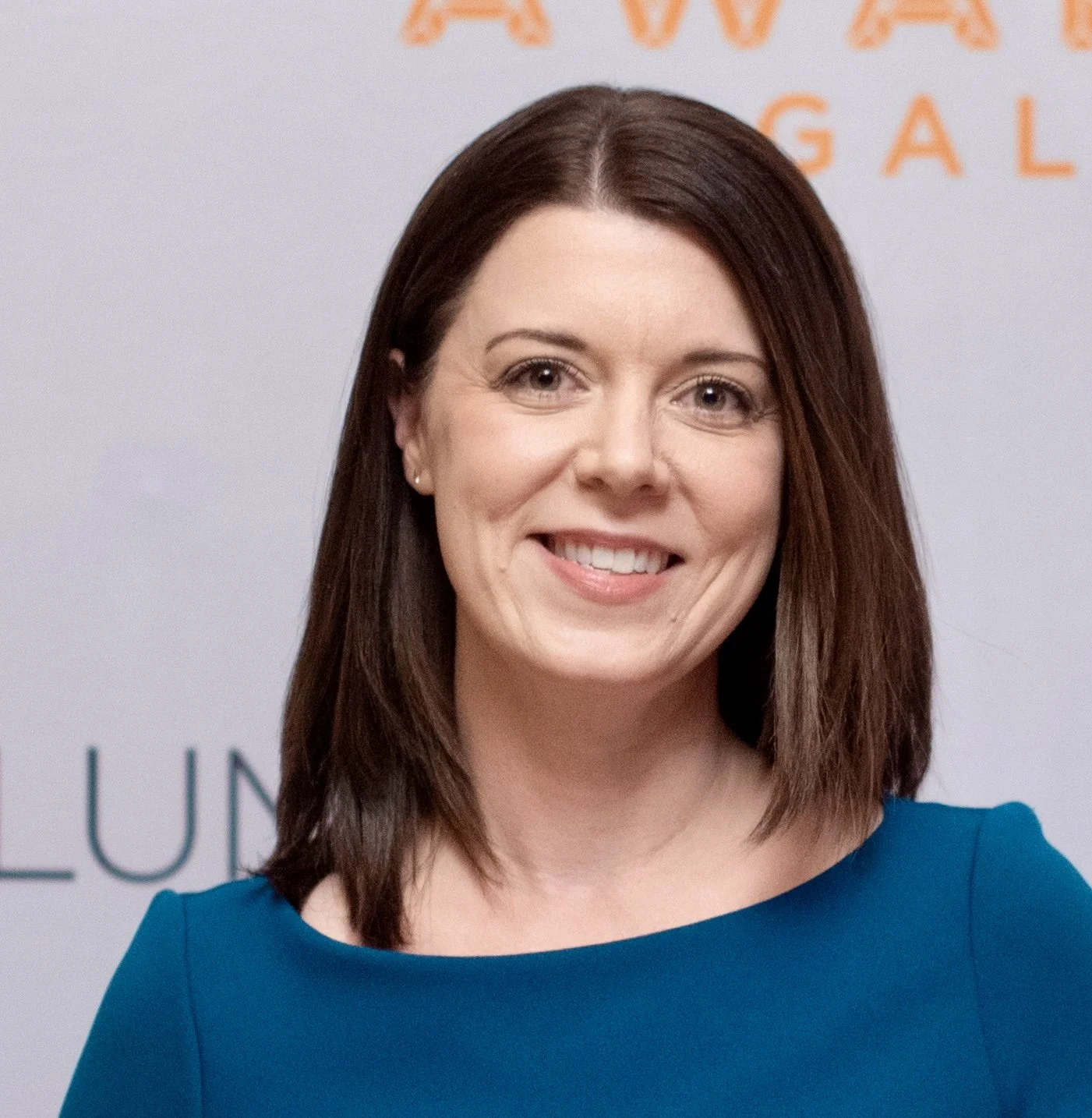
Jayme Walters, PhD., Utah State University
Dr. Jayme Walters is an Associate Professor in the Department of Social Work and the Executive Director of the Transforming Communities Institute (TCI) at Utah State University. A first-generation college graduate from rural Illinois, she holds a PhD in Social Work from the University of Tennessee, an MSW from the University of Georgia, and a BSW from Southern Illinois University. Dr. Walters has nearly 20 years of experience in nonprofit and community practice, with a decade as a researcher and educator. Deeply rooted in social justice, her published and applied scholarship centers on helping communities and nonprofits build capacity and address urgent social issues that affect residents’ dignity and worth. Dr. Walters collaborates with community partners, faculty, staff, and students on research and solution-building projects responding to homelessness, food security, and access to legal services, among other issues.
Research Focus:
“Strengthening Knowledge about Rural Nonprofit Capacity & Philanthropy”
Dr. Walters’s fellowship work will focus on multiple aspects of nonprofit capacity in rural areas. She will explore the use of technology for rural nonprofits and its effect on their fundraising capacity. This research will focus on how this technology could be used to diversify and stabilize revenue streams in times of funding disruption and for organizations with limited capacity. She will also dive into the perceptions of rural communities and nonprofits investigating how perceptions of rural areas affect grant making through the lens of perceived impact, racism, classism, and other cultural forces and how rural nonprofits are navigating these challenges in serving marginalized and vulnerable populations.
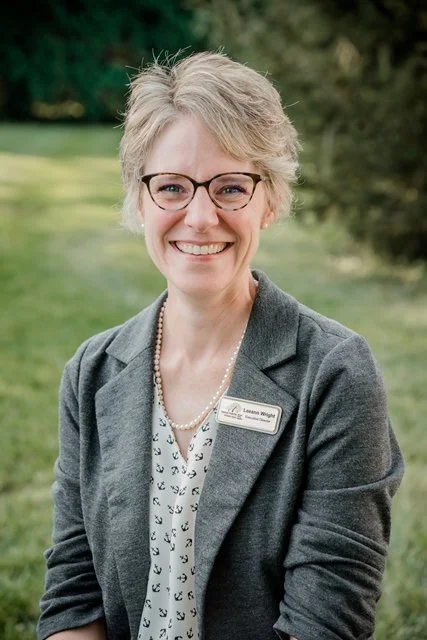
Leeann Wright, CFRE, PhilD Candidate, Lilly Family School of Philanthropy at Indiana University
Leeann Wright, Executive Director of the Community Foundation of Pulaski County, has over 20 years of experience in nonprofit management and fundraising. She knows that communities transform when people work collaboratively. Prior to her role at the Community Foundation, she was a fundraising officer for Indiana University Northwest and a major gifts officer at Valparaiso University. She believes in the power of philanthropy and has served and collaborated on boards and committees in every community in which she has lived. Most recently, she became a Court Appointed Special Advocate to serve as a voice for the children in the community who need it most. She is currently pursuing her PhilD, the first professional doctorate for philanthropic and nonprofit professionals, at the Lilly Family School of Philanthropy at Indiana University.
Research Focus:
“Strengthening Rural Nonprofit Networks in Pulaski County, Indiana Through Strategic Doing”
Leeann’s fellowship research will center on rural philanthropy and collaborative problem-solving through the lens of community foundations. Through her RPI Fellowship, Leeann will investigate collaborative efforts in Pulaski County, Indiana and will utilize the method of strategic doing - an action-oriented approach to collaboration focused on identifying shared opportunities, leveraging existing assets, and collectively defining success and how to measure progress.The resulting case study will review the effectiveness of strategic doing practices in rural community collaboration projects where nonprofits are working together to address rural quality-of-life priorities.